New writing from Alabama

Longleaf

Issue No. 1

2026  ·  Free to read

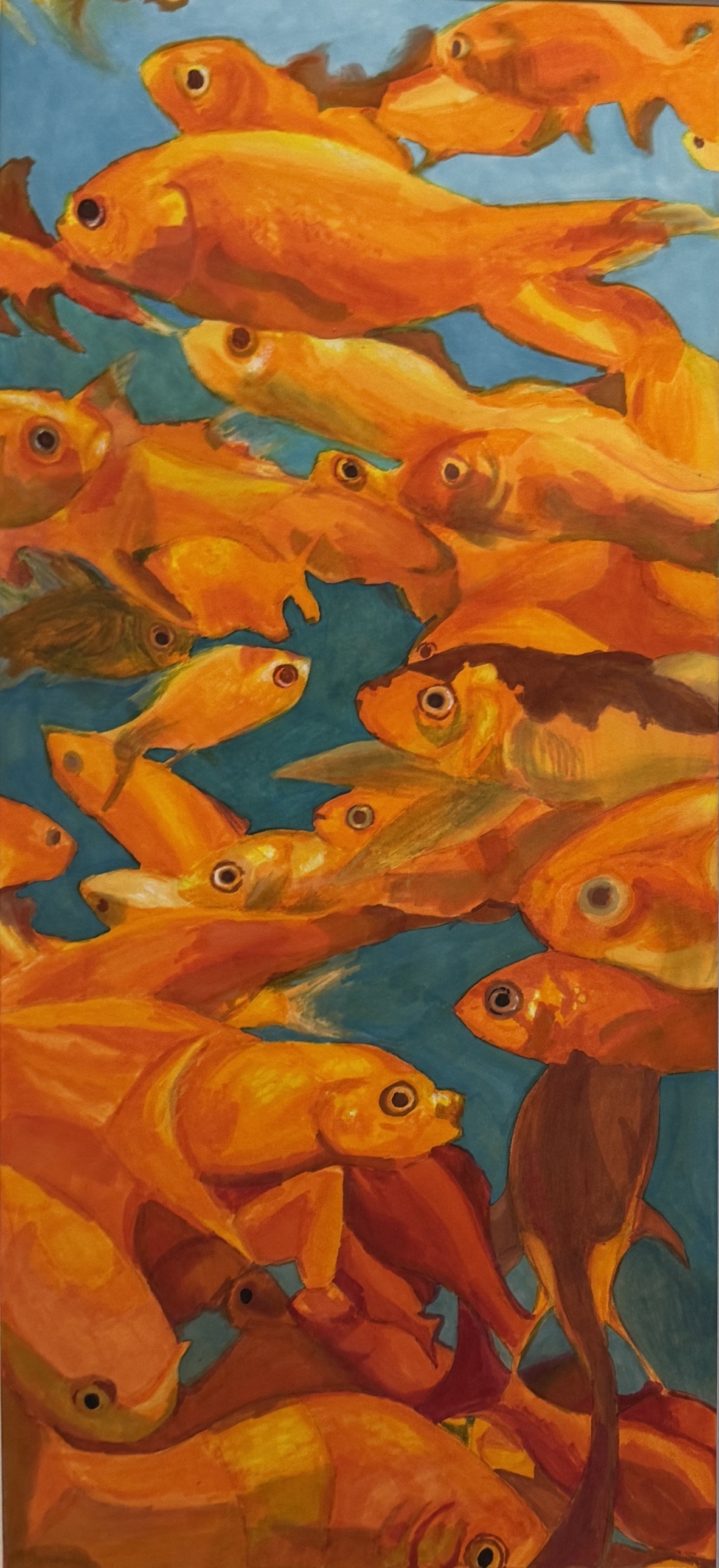
fish, a painting of a dense school of goldfish crowding the frame, by Amelia Weeks
fish  ·  Amelia Weeks  ·  Winner, The Renasant Bank Cover Art Award

Contents

What's inside

Front

  1. A letter from the editorLily Shah
  2. A note from the guest judgeDaniel Wallace
  3. The awards

Poetry

  1. I Hear the Midnight Road RacersGeorgia WesselsWinner  ·  The FirstBank Poetry Award
  2. The God of SilenceLaurel Beal
  3. becoming myself is like a lizardAbby Abbott
  4. Who Are You Truly?Becca Grace Betancourt

Fiction

  1. Annihilation⇒Assimilation⇒SubjugationZoey Evelyn Wiltree
  2. OsseusMatthew Bailey
  3. When I Ate GodMicah (Wesley) GrantWinner  ·  The Five Guys Fiction Award

Creative nonfiction

  1. Steel MagnoliaNeph IrvinWinner  ·  The Jeni's Nonfiction Award
  2. How Long Until Forever?Lorelei YoungWinner  ·  The Longleaf Prize
  3. Walks and WisdomEesha Katragadda

Art

  1. fishAmelia WeeksWinner  ·  The Renasant Bank Cover Art Award
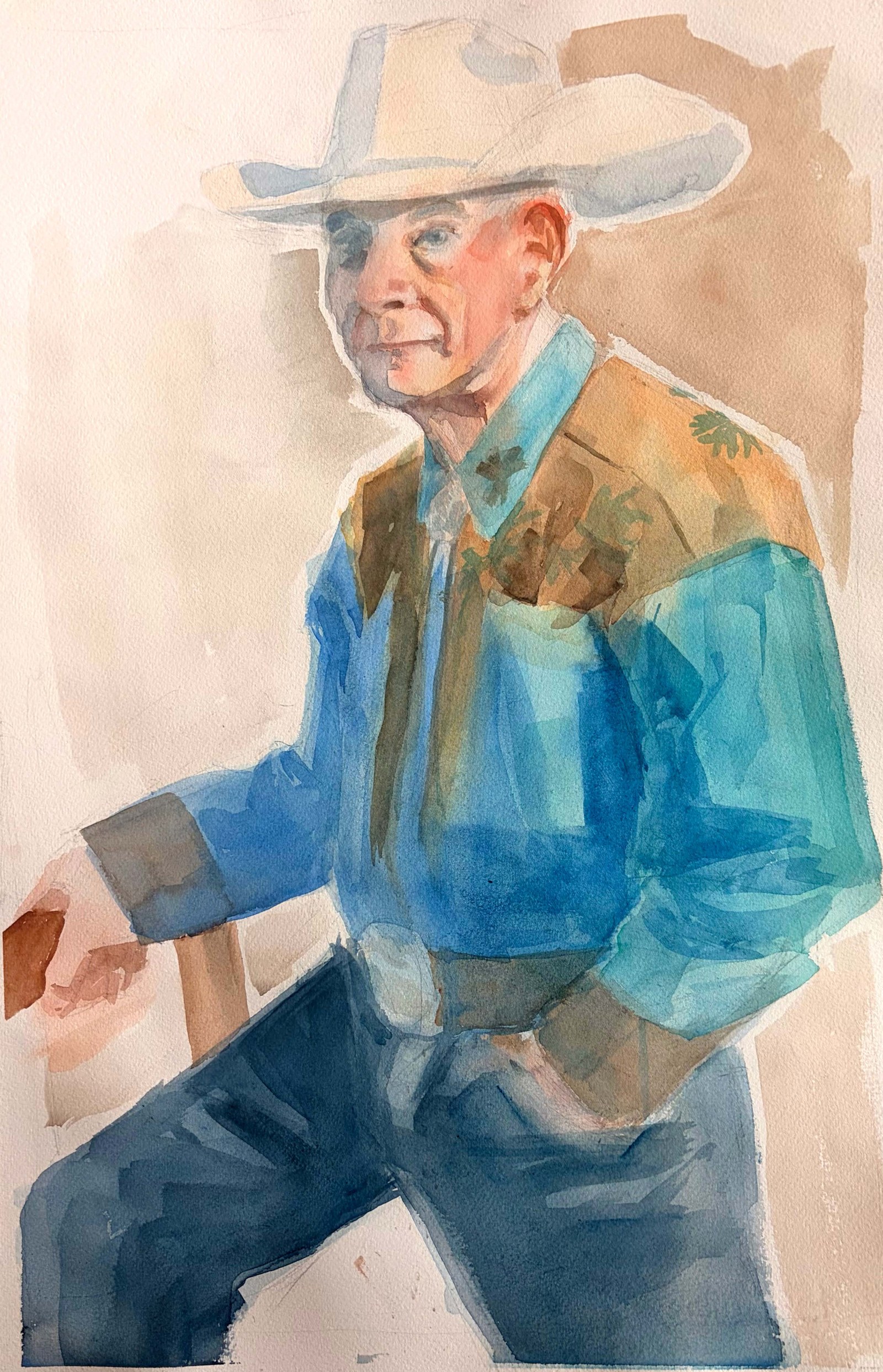
  2. Man in BlueKaelah Broughton

Back

  1. Contributors
  2. About Longleaf

Download the PDF68 pages

Some work in this issue addresses grief, mental illness, death and substance use. Individual notes appear where the writer placed them. Support resources appear at the end of the issue.


From the editor

Somewhere to send it

I started Longleaf because I went to submit to an Alabama writing contest and found out it had been discontinued. The same thing happened later with a different one. There are still good places in Alabama to submit work, but I didn’t want more to disappear with nothing to replace them. I wanted to add to what’s there and keep those opportunities available.

Sharing your work and getting it published matters more than people realize. Alabama literature is important, and it isn’t only something of the past. We are continuously adding to it, and some of its contributors are in high school and college right now. Without somewhere to send work, it doesn’t get read, and the people writing it spend years assuming that “real writing” begins later.

I have always believed youth writing to be real writing. It can be just as profound and important as adult writing. The work in this issue isn’t preparation to contribute to Alabama literature; it is part of Alabama literature.

That is why I made a place to send work. Longleaf is free to enter, and every piece is judged blind. For this first issue, we accepted poetry, fiction, nonfiction, and art from students in grades 9 through college.

When the deadline arrived, I was stunned by the submissions. Far more came in than we expected, and we got a wide variety of strong work.

Daniel Wallace, the Alabama-raised author of Big Fish, picked the winners from our finalists. I’m so amazed and thankful that he said yes.

Finally, thank you to everyone who sent us something. To everyone in these pages, you don’t need our magazine to make your work real, but I hope being published here helps anyway. If you’ve been writing and waiting to share it, we will be open for submissions again next year, and we would love to see your work.

Lily Shah

Founding Editor


From the guest judge

Daniel Wallace

Daniel Wallace
Photograph by Kate Medley

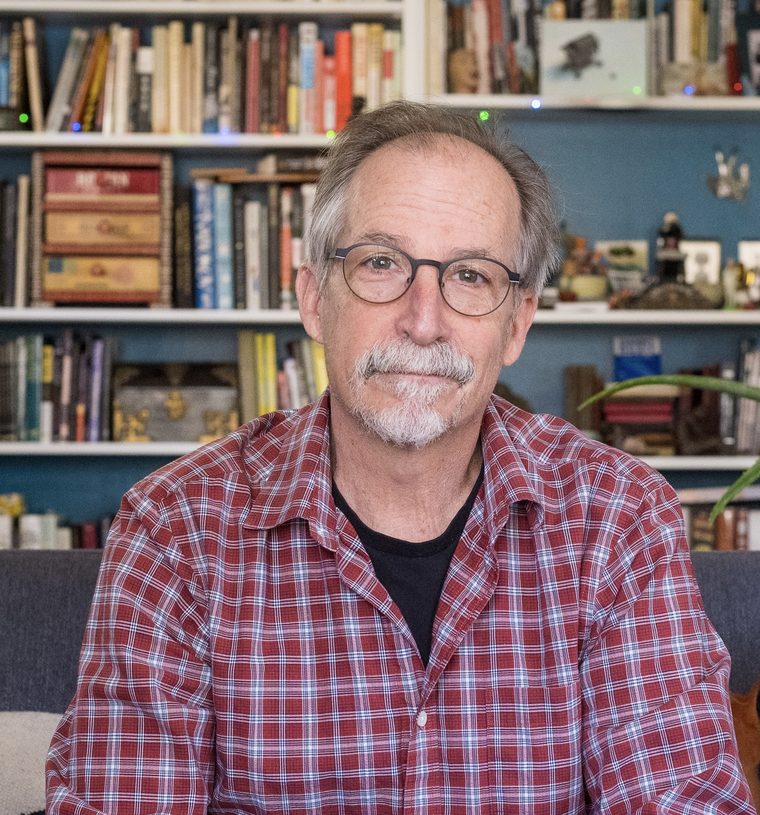
Daniel Wallace is the author of six novels, including Big Fish, and a memoir, This Isn't Going to End Well. A Birmingham native and winner of the 2019 Harper Lee Award, he read every finalist in this issue and chose the award winners and the cover art.

I am heartened and impressed reading this panoply of voices, visions, and experience. Someone might say that there are so many books in the world, most of which we have yet to read: why not just stop writing and read them all and once we're done begin adding to that vast library again? Because of this. Because of you. Every voice is equal. Every voice needs to be heard. I so enjoyed listening.

Daniel Wallace

Guest judge, Issue No. 1

Over $1,000 in awards

The awards

$500

The Longleaf Prize

Presented by SBR Properties

How Long Until Forever?
Lorelei Young

$150

The FirstBank Poetry Award

Sponsored by FirstBank

I Hear the Midnight Road Racers
Georgia Wessels

$150

The Five Guys Fiction Award

Sponsored by Five Guys

When I Ate God
Micah (Wesley) Grant

$150

The Jeni's Nonfiction Award

Sponsored by Jeni's Splendid Ice Creams

Steel Magnolia
Neph Irvin

$150

The Renasant Bank Cover Art Award

Sponsored by Renasant Bank

fish
Amelia Weeks

Every submission was read with names removed. Daniel Wallace, our guest judge for Issue No. 1, selected the award winners and the cover art.

Section one

Poetry

The FirstBank Poetry Award

Poetry

Winner  ·  The FirstBank Poetry Award

I Hear the Midnight Road Racers

The Ward Road boys lead a 4-wheeler crusade.
They slosh through dirt road divots and swerve between Cottonwoods.
Knights in camo, boys ride like lackluster renegades.
The cops don’t patrol dirt roads down fields of jade.
They overlook family cemeteries and ceremonies of shotgun knighthood.
The Ward Road boys lead a 4-wheeler crusade.
An HOA’s nightmare, a broken truck is preserved out front in the shade.
Here, a man’s wheels are his sign of manhood.
Knights in camo, boys ride like lackluster renegades.
The fields on Ward Road were sold. A developer’s cascade
of modern houses wait to build an unaffordable neighborhood.
The Ward Road boys lead a 4-wheeler crusade.
At the gas station, men buy Red Seal and Lemon-Lime Gatorade.
Boys prefer FLUM and lime lights on their wheeled livelihood.
Knights in camo, boys ride like lackluster renegades.
The higher tax bracket decided dirt roads should be paved,
and to put to rest midnight road races and protruding Cottonwoods.
The Ward Road boys lead a 4-wheeler crusade.
Knights in camo, they ride like lackluster renegades.

Poetry

The God of Silence

Hello God, Hey Dad, if you will, would you mind
finally speaking out loud for once, so I can find
you? I know you’ve got a lot on your platter but you’ve got
a big appetite, you can handle this morsel of an ask. Just a thought.
It’s just that I’m getting tired of trying to read between the lines
of every verse tattooed on the back fat of random strangers. Signs
and wonders don’t work their magic, I’m only straining to see
if the rustle of the leaves in still air is your breath. It’s hard for me
to hear you when all I’ve got to go on is the clanking of ice in my
Owala or the air purifier humming like a never ending sigh.
I remember the way as a child in the cafeteria everything would go muffled just
not quite silent when I stopped up my ears against the roars of chewing chatter. Must
my fingers dig against my eardrums to finally hear your word?
Could you spare Peter for a bit to chop off my ears with his sword?

Poetry

becoming myself is like a lizard

molting—
to shed one’s skin
in order to grow
bigger, stronger
i molt the layers
of grime,
doubt,
and hatred
until
i’m something
bigger, stronger
the world is still rough
but
i’m gentler,
bigger, stronger

Poetry

Who Are You Truly?

Who are you truly when no one’s around, when the world falls silent, no one to be found.
When the smiles fade away and the screen goes dark, do you still recognize the shape of your heart?
Are you the person that everyone sees, or someone still searching for who they should be?
Do you laugh when you’re hurting just so you belong, do you pretend nothing’s wrong just to seem strong?
Who are you truly, now let that sink in, beyond all the battles you’re trying to win.
What are you hiding that no one can see, the truth that you keep locked away secretly?
The thoughts that you swallow, the words left unsaid, the questions that keep you awake in your bed?
Maybe the question’s not, “Who should I be?” Maybe it’s, “Who am I when nobody sees?”
When the crowd disappears and the noise fades away, who are you when there’s nothing left to say?
When you put down your phone, stop keeping score, when you don’t have to wonder, “Am I enough anymore?”
When nobody’s watching and no one can see, can you honestly sit with yourself, and let yourself be?
Maybe you’re still changing, still trying to grow, still figuring out the things you don’t know.
And maybe that’s okay you don’t need it all planned, sometimes finding yourself means learning to understand.
So who are you truly, beneath every disguise? Beneath every “I’m fine,” every laugh, every lie?
If you stripped off the mask worn so you fit, would you truthfully recognize the person underneath it?
Or have you spent so long becoming who they wanted to see, that you’ve forgotten the person you were meant to be?
One hard truth, one we avoid, you can be surrounded by people and still feel destroyed.
You can know every face, and still feel unknown, laugh with everyone, then go home, be alone.
So who are you truly when no one's around, when there’s no one to judge you, no praise to be found?
Maybe you’re not lost, you’re just learning to see that becoming yourself is the bravest thing you can be.
Ask yourself daily, “Who am I truly and when no one's around?”
“Who am I when there’s no one left to make proud?”
You are the person, still growing and learning, becoming someone new, still being young, still finding you.
So when all the noise disappears and the world isn’t there,
Who are you when it’s quiet?
Who are you when no one cares?

Section two

Fiction

The Five Guys Fiction Award

Fiction

Annihilation⇒Assimilation⇒Subjugation

Breathe in. Breathe out. The air is clean. Air that doesn’t smell like cinders and doesn’t burn like coals enters her lungs. No nonexistent smog to choke on! Fel gently laughs to herself as she lay on the lakeshore, though she does touch her head just to make sure. Sure enough, the horns are still there and her skin is still red as the sun once used to be. Finally! It worked! She was a prisoner of hell no longer! At least for this very moment, which she swears to herself that she will relish. So long as her life isn’t stolen from her again, it should stay this way.

The spear of ice that marked the gods’ vengeance at the end of The Great Hunt still looms in the distance. Part of her had thought that the wound in Ilthonel’s flesh would have been treated in the four years she was gone. Maybe that was wishful thinking on Fel’s part. Though oddly enough, a bright light emits from the head of the spear. The rotation of the planet may have stopped, but a new star atop the weapon threatens to block out the stars behind it. Perhaps Siriel felt he went too far. The god of light was known for being soft hearted, after all. Twilight is a good look for the sky, Fel thinks to herself, denying any old memories from resurfacing.

Ilthonel’s rings still hang bright in the sky, but no less lazy. Her school textbooks compared them to those of Saturn, but to be honest she never really knew what Saturn was. Above them lie the ever bustling Drein and Jault. Fel sighs as she gazes upon the waxing crescents in the sky. Perhaps her longing to escape to the oceans of Jault or the mountains of Drein weren’t so far away now. Never the ring colonies, though. She wouldn’t dare live in a glorified asteroid field.

Fel pushes herself to sit up, taking a moment to gaze into the lake at the stars with enough fight to be seen. She adds a reluctant glance to her reflection. Most visible skin was layered in scarring. How many of those had been a wound that took her life? She didn’t know. There was no way of counting how many times she had died. A tear rolls off her cheek, with more threatening to follow. She wipes the residue, and runs her hand in the water. It was comfortably cool to the touch. She laughs to herself, splashing the water a little more before standing.

Rusted, rotten, and worn buildings are scattered throughout the sparse forest. A large cobblestone building resembling that of a chapel draws her attention. It bears a symbol she can only vaguely remember. A hollow triangle with a dragon weaving throughout it is repeated on the chapel and on the occasional wooden shrine dotted about. Fel remembers her parents talking about this one. It belonged to an old cult that dissipated when they were children. The name evades her, but she does remember they worshiped Raviel of the Thousands. Even during The Great Hunt he remained elusive. She is sure their wishes would have all been vain, though.

An old man waits on the stairs leading up to the chapel as she approaches. He pushes a black cane against the stone with a clack in order to stand. The shimmer of his silver hair almost blends into the sky. The man greets with a tilt to his head.

“Evening, Miss Alwood.”

“Yeah? You know me?”

“In a way.”

“Care to tell me who you are? You know, to make it even.”

“Kelish. That’s all you need to know.”

“Okay. Why are you here?”

“Ah, so many questions. Curiosity. Does that sate you?”

“Just enough.”

Fel shifts from foot to foot under his scrutiny. Kelish says nothing, but his focus remains intently on her. Her ears are greeted only by the slight rustle of leaves. The wind would not be enough to fill the silence, and yet she feels she doesn’t have the permission to turn and leave. Something about Kelish remains indecipherable. His face doesn’t tell her whether her newfound freedom is in jeopardy or not. She looks to the sky before opening her mouth.

“...How do you know it’s evening?”

“A hunch. The time of day doesn’t really matter anymore.”

“You seem unphased. Are demons common nowadays?”

“No. I’m just used to hellspawn. The province of Yaell might have a different attitude towards you, though.”

Fel sighs.

“You’re no stranger to fighting for your own peace. The provinces would be surprised if they knew how most devils were. Go on and show them.”

“It’s been overflowing with people since I died. All of them your average person too.”

“Please. You were murdered. At least have the confidence to say it. In a way, all the recent denizens of hell were as well. The gods have no respect for your afterlives anymore.”

Fel goes to open her mouth, but stops. How did he know? She had believed her death would have been overshadowed by the recent puncture in Ilthonel’s crust. It’s a fact about herself that she never dared share with anyone except her cellmate Lune. Her head swirls as nausea threatens to take over. She quickly turns her back on Kelish to face the water, rescinding any statements she was considering saying. Kelish leaves her with nothing more, and she decides there that she doesn’t wish to bother asking any more questions. They wouldn’t help her anyways.

The forest grows noticeably louder while she steadies her breathing. Broken sticks echo through the perpetual night sky, forcing her attention back to the ground. Fel doesn’t consider it, but her time as a prisoner of hell has made her more alert than she’d like to admit. There’s a certain carelessness that she is no longer afforded. With more thought, she would come to wish for it. Kelish steps forward with the stomp of his cane, placing a hand on her shoulder.

“The people I have been waiting for are here. You may want to run”

The footsteps of many become audible.

“What? What do you mean?”

“Just go, Fel. And be seeing you.”

Without another word, she peers into the shadow of the forest. Approaching is a small caravan of people in red robes dimly lit by the few who carry lanterns on their staves. She knows them, as loathe she is to admit it. Annihilation’s Edge; the fanatical cult that has been hunting for Raviel ever since his death in The Great Hunt. At the front of the group is their leader, Athel, guiding along a young girl who can’t be more than sixteen. Fel takes the omen at face value, and runs off into the trees.

The group must have noticed Fel run off, as the beat of footsteps grows quicker. There was no way of knowing what they would do or want of her, but she was not willing to find out. Looking behind her, she notices Kelish step out and intercept the group. She sighs, relieved.

The young girl looks at the rope tied around her wrists, then up to the back of Fel as she runs off, then to Athel, and then to Kelish. Her name was Lioria, but it’s not like anyone other than Athel had bothered to learn it. The herd slows to a stop as Kelish steals the attention of their leader. If the rotation of Ilthonel were not already halted, the world would have stood still while the old man and the group analyzed each other.

“Who are you and why do you consort with devils?” Athel is the first to speak. His followers remain quiet.

“Who are you and why do you imprison young women?” Kelish retorts.

Athel glances down at Lioria before doing what he does best; strike a bargain. “Tell us what you’re doing here in the Hopeswell Village first.”

“Waiting for the esteemed Annihilation’s Edge of course. Which you are.”

“You want to commune with Raviel as well?”

“Oh? You wish to speak with Raviel?”

“More than. He could unite us. Make us one. We could be as great as the Will of Thousands himself. And Lioria, here, is our key.”

Kelish steps forward into the light, kneeling in front of Lioria, who avoids his gaze and stares at the soil beneath her feet. She can feel the eyes of many on her and the hope they have for her that she has no way of fulfilling. What link could she possibly be to Raviel? She could hardly answer why her parents had passed so suddenly.

“Hang on,” Athel interrupts, pushing Lioria behind him. “You’re old!”

“Is that interesting to you?” Kelish laughs.

“You know as well as I do that people can’t live past forty-two anymore, old man.”

“Oh yes… The spear wasn’t the gods’ only vengeance. I must have forgotten.”

“Explain yourself.”

“I suppose it’s only fair. You’ve brought Lioria back to me after all.”

His last sentence forces Lioria’s gaze to Kelish. No recognition flashes in her eyes. Just who was this man? A warm smile greets his face. Try as she might, she can’t find any ounce of familiarity with this man whether in this life or any of those gone by. The attention of Annihilation’s Edge has fallen upon her, and they all seem to have forgotten about Kelish’s apparent age.

Athel looks like he is grinding his teeth down to the nerve. More questions than answers this man was. He tugs on Lioria’s binding as if to get her to speak. She bites down on her tongue until she tastes just the hint of blood. It was necessary for her to muster the courage to speak. Refusing eye contact, she barely gets her words out.

“I-I don’t know this man.”

“Should have figured as much, shouldn’t I?” Kelish pats his knees. “Your hair is still red, though. I did well.”

“Who… are you?”

“Oh no one you’d know, darling. But I do know someone who would love to see you.”

“Care to tell us?” Athel says, keeping Lioria behind him, making sure to use an arm to block the space in front of her.

Kelish looks out to the horizon. Following his gaze, Athel and Lioria’s eyes fall on the tip of the spear of ice, reaching clear above the cloudtop. The bright light remains steady–a beacon for nothing in particular–unwavering in the air. A light known to Lioria for political agony. The only thing it could reasonably mean to the province of Yaell is that Siriel is alive, and that The Great Hunt was an utter failure. So many lives lost in an unholy revolution, and for what? One, or humanity forbid many, god seeking revenge for the death of their brothers and sisters? The repercussions would be unthinkable.

Athel looks at the spear to Kelish and back. First it’s a look of confusion, then contemplation, and finally inspiration. He pats Lioria on the shoulder, stepping forward to stand beside the old man. She watches as an almost imperceptible amount of slack is removed from her bindings. Her gaze would remain on the ground. None of these people surrounding her were deserving of her eye contact at the moment.

“The spearhead? You’re insane,” Athel squints at Kelish.

“You have two years–maybe even one–left. What is there to lose my friend? There is an interior if you know where to find it.”

Athel huffs, turning to his troupe. The followers, mostly people above the age of thirty, but with a few younger people sporadically among the crowd watch as he swallows before his eyes land on the spear once more.

The cult leader shouts over the silence of the trees. “My loyal believers! I know just as much as you about this man, but one thing cannot be denied! There is value in his words, and undeniably, a glimmer of truth. This precious young woman and her conspicuous connection to this man and the fallout of The Great Hunt are shown to us now! Tonight, we begin our march on the spear!”

Athel turns to bow before the old man. Kelish replies with a deep chortle as he watches the group turn into the woods to begin their great pilgrimage. Foolish and naive, he believed. But Kelish told himself still; that conviction is such a sweet way to break up stagnation.

What is inside the spear, what is creating that light, has been the subject of debate among the provinces for some time. Gestin wrote it off as yet another odd phenomena. Foust decided it was a mercy. Yaell saw it as a global failure and an omen. Despite this, none of them agreed to leave it be. In fact, quite the opposite. Many have been sent on expeditions to navigate the treacherous fractured lands and floating islands around the spear. All had the goal of answering what the light was for, and to cure the world of its ever shortening lifespan. Only a few members have returned from each expedition. None were able to make a coherent report.

A man named Simon wishes otherwise, though. Unbeknownst to him, a group was approaching his location. This time they knew there is a way in too. A captured girl named Lioria, searching for her parents. Athel guiding her along in search for his wish for a future. Even Fel was on the path to the spear, motivated only by curiosity and a desire for peace.

Siriel paces the area in front of him, occasionally analyzing the chains of light binding Simon to the walls and ceiling. The god, more irritated than usual, clasps his hands in front of himself, approaching Simon with his cape dragging on the ice. Three brightly colored eyes focus onto him, peering for answers. Answers of any kind to any question. Four years of interrogation on an eighty-nine year old man to no avail.

The fractured lands draw Simon’s eyes, who refuses to let Siriel enter his field of view. Cities of all provinces can be seen faintly in the distance. Mere dots of light on the ground among the shattered stones. Four years of seeing the world struggle and panic as the revolution came to a close and its aftermath took hold. He grits his teeth, but bites his tongue before he wishes he was able to lead Ilthonel through the last years of the hunt.

“Are you going to tell me yet?” Siriel probes, standing beside Simon.

“Tell you what?” He spits.

“Why’d you do it? The hunt was unnecessary. We were helping your people.”

“Not enough. Your kin dragged their feet.”

“It was needed.”

“Then so was my wish.”

“You wished? ”

“Siriel, you would’ve been a fool not to ask. Four years. It might as well be now.”

“Tell me then.”

“I wished for humanity to prosper. The gods had begun to slow us down. Drag their feet as we requested assistance for all the problems we face.”

Siriel stands still. Chillingly so. The room appears to drop in temperature. Even more so than already being in a pillar of everlasting ice. A scowl falls on his face as he begins to contemplate further. He groans as he realizes the answer that Simon’s words seem to point at.

“Tell me you’re lying.”

“I’m not. Raviel granted me a wish. I would be a fool if I had not taken it.”

“You regret it though. Ever since the hunt took your daughter.”

“...I made another.”

Siriel remains quiet.

“I wished for her safe return.”

“I take it that one didn’t work out in your favor, either?”

“Raviel was killed by my army shortly after. So no.”

The god of light strides to the far end of the room. He looks through where the ice has turned into glass at the world that he took his anger out on. The sky remains frozen. Constellations no longer move across the sky. In enough time, people would tire of seeing the same old patterns hanging above. In time, the vegetation on the western hemisphere would flourish, and on the eastern hemisphere it’d learn to rely on the spear’s light if it had not already.

Simon and Siriel have seen cities fade–even if slightly–as people move away, to a hemisphere with more light. The consequences of whose actions are up for debate, at least according to them. Blame was always shifted, never accepted. For he who controls the blame, speaks for the victim, of which there were always many.

“I regret it too,” Siriel says somberly.

“What? The ice?” Simon laughs bitterly.

“Yes. But there’s no use in talking for the dead, is there?”

“The hunt killed everyone but you.”

“Not quite. Raviel is still alive, and hundreds of thousands of your kind are dead.”

“Raviel… still alive?”

“Didn’t expect that? He always hated stagnation. That trickster always had a back door.”

Simon huffs, and for once does his best to meet Siriel’s three eyes. He can’t muster any words just as he can’t decipher his own feelings about the matter. The Great Hunt was a failure. Even more so now that that conniving entity still exists. But on the other hand, as foolish as it may be, perhaps there is still a hope for humanity and even the gods as well.

Harmony is a hilarious thought. Especially after all this time. But a smirk crosses neither of their faces. Siriel and Simon face each other, simultaneously trying to read the other’s thoughts while putting together a plan themselves. Foolish hope is still hope, and Raviel the god of all fools, still lives.

“Perhaps this calls for a wish.”
Fiction

Osseus

There was an old beachfront where the waves struck the shore with black suds and pulled back out to a cool swish and fluorescent blue that sat in a blended manner with the sky. A long, broken dock ran across the outstretched hand of white powdered sand. Where little crabs would come up to eat and bathe in the still sun. Every summer, people in small congregations would flock out to the beach and spend days running up and down the misshapen coastal landscape and get lost with one another under the moonlight. They would repeat this every day all summer. Different groups with a makeup that was never similar to the last.

One day, two boys were stripped down to starch- white boxers wrestling with one another. As sweat slid across their bodies and sparkled in the humid overcast. Pushing against one another in a fortifying struggle that blended together with a sickening sound that stunk up the still atmosphere around them.

“Get off me. It's mine.”

His voice was shrill and unmasculine in pitch. He was being overpowered, and that offended his acute sensibility that drove him to want to be better.

“Let me have it. I’ll give it right back.”

A voice deeper, and ringing just softer in the air. It was bigger than he could hear himself, and he often would not realize the way in which he spoke to others was bigger than one at his age could fathom. He was letting his younger counterpart tire himself out before taking his moment to add more burliness to the struggle. It was the exact thing that would drive him into a victory that would not only satisfy himself, but also leave the other wanting more in the next encounter.

These two boys. Out in the sun, fighting over something found in the sand. Washed up from a time they did not recognize nor could begin to comprehend in their impressionable heads. Even under the toiled struggle of each other, it was not clear who would be the one to hold the thing they both wanted to touch. Eventually the older of the two pushed past his limitations of patience, and ended the struggle. And in his hand he held the little skeleton finger.

It was dry and cracked, but somehow rock solid in his hand. It felt as if no force would break it.

“No fair. You cheated.”

The younger boy was in protest and did not understand why or how he had lost. There was no conception to him, all he could do was kick up a dust of sand in protest. The older had paid no attention to this childish outrage, he was more driven on what lay on his dry palm. The warm tinge of light from the falling sun had made the white of the bone look gray and sad.

“We should bury this.”

He turned and looked at his young sibling.

“What? Why?”

“Because we can’t take it home. Mom and dad would kill us. We’ll take it over under the dock and bury it in the sand so we can look at it tomorrow.”

“Are you actually gonna let me look at it?”

“Yes I promise.”

The two of them hauled their tired legs across the flat ridges of white, over to the broken, decayed, water-washed boardwalk. Under the small slits of fading light the two scooped out cold clumps of sand, and placed in the little finger. After it was covered, the younger of them began to walk away, stopping suddenly realizing his brother was not with him. He was still kneeling in the cold sand staring at the mound that covered the object.

“Are you coming?”

“We should pray over it.”

“Why?”

“Just in case. You never know.”

So the two of them kneeled under the darkening night, with the waves sloshing quietly around them. As small bugs and seagulls hummed around their ears, they prayed.

Vocally.

And with syncopated rhythm.

In the night, they were scolded by their parents about being late, but neither of them were much for taking in what was being levied against them. For instead their minds wandered onto the threshold of what was to come the next day. Where would their adventures take them in the dry sand? What would be awaiting them in the coming dawn? They both slept light that evening, the older of them wondering about what was growing underneath the surface of something that his mind could not quantify. His dreams that night did not wander or shape into something memorable, they were just lingerings of thoughts about what was awaiting him the next dawn on that scalped landscape of grains.

·

The two of them were out of the house faster than a farmer unholding a daily harvest. The sand that morning was damp from the dew and cool of the morning mist. Shaking bodies pressed lite footprints into the sand. From a distance no one could see that anybody had touched the surface of the smooth grains. Pushing over one another they reached the spot where the little mound had smoothed itself out in the shifting winds of the night. They both scuttled around, and it seemed to them that the covenant in which they longed for had disappeared from them.

“Where is it? It was here yesterday, it wouldn't just disappear.”

His older brother was starting well up with tears. He was being dragged down into his own pity. He attempted to reach out and comfort him.

“It's gonna be okay I promise.”

Just as the younger of them attempted to reach out and attach this comfort to him, it caught him. Sticking just out of the surface of the sand, a small bump of the knuckle.

“There it is.”

The two of them pushed and pulled against one another trying to dig into the sand, and have that moment of recaptured childlike ecstasy. They found the bone, it was sitting just as they left but moved from the spot in which they buried it. It was deeper into the earth than their eyes had a conception of, and so they began to pull. The finger though kept emerging, and the bone structure funneled outward. Until a full skeleton of remains was laid at their feet.

They proclaimed to one another that it had been through their prayer they were brought this full embodiment of flesh-stripped bone out and dusted off the small grains that obstructed the beauty the two of them were catching in their eyes. After it was all cleaned and free from the obstruction of earth they sat it up against an old pillar. They both admired the intricate beauty of his skull, there were small grooves along the cheeks and small holes around the front of the forehead. They both fingered their way around the length and felt its texture rub against the small pads of their hands.

The older of them was moving downward along the oblong body, and noticed the hands and wrists. There were two small holes that were diverted into the structure.

“This is Christ.”

“What do you mean?”

“Look.”

They both studied the features and drew the same internal monologic conclusion.

Then they took the body. Drawing out its arms, and its feet. One braced it, while the other took small planks of wood and jammed them hard against a pillar and shoved them through. They crucified him and prayed to him, and laid at his flesh-naked feet and wished for greatness. To be shown the way and the light. Where in their sin they would forage a new birth under the decaying rot of the boardwalk that was no longer walked upon. Staying there until night.

“We should go back, mom and dad will be worried.”

He was so young, and his eyes felt drawn between two places, his parents and the righteous. He tried to pull his older brother away from the captivation, but that proved to be a mistake.

A call to devote everything of himself to the prayer of one. He was nourished by the message, and would not be taken away from it. And in a moment of biblical bliss and violent euphoria, he acted against his brother. Breaking and grinding his flesh into the ground, while singing sweet hymns under the heft of his voice. The sand was bleached in sanguine fluid. And a small tick of the heart was beaded back under the sounds of low breathing and gentle air. Doing so in remembrance.

There was a moment in the darkness after the burying that he felt pulled outward. And he stopped at the line of the shore and went down across the water like the figure he had read about in the great book, and dragged his feet over the blue and out across the sun-blank horizon.

Fiction

Winner  ·  The Five Guys Fiction Award

When I Ate God

“And when the hunger of man surpassed his prayers, he opened his mouth unto Heaven, and swallowed what was left.”

Emerald pastures billowed under the sun, each blade of grass pressing into its warmth. In the midst of the green were daisies, and tulips, and wildflowers, and tall lavender sprigs. There were also small patches of crimson, and burgundy, and amalgamations of pink, and blue, and bronze. Some were tightly packed whorls, some resembled trumpets and bells. They drank from the Sun’s pale gold that managed to slip through the garden’s canopy—mostly trees of Yew, Sycamore, Olive, Acacia, and Palm. Cherry blossoms and peach tree petals skipped in the air softly like fresh snow, scattering across the sea of green. There were also bountifuls of fruit that were good to eat—there were apples and peaches beside mangos and lychee, figs and papaya, rambutan and plums. Jackfruit, carambola and bananas littered the ground while grape vines twisted up mighty trunks. No matter where you turned, different fruit hung heavy, crowding the air with sweetness.

A cherry tree stood in the middle of the garden, towering over them all. I had come here to rest, though I'm not sure from what, only that something in me was already tired.

From where I stood, the garden spread like a shallow bowl, its rim lost in a soft white haze. The tree I was under shielded me from much of the golden liquid spilled from the Sun. The cherries were so ripe, they split on the ground, bleeding juice that attracted buzzing flies. Their scent swam through the air—light, floral, with the slightest sting of rain-soaked bark.

It was when the light turned pale, casting a sweet glow as if my skin were daubed with honey, and shadows began to bleed into night when I chose this cherry tree to sit under and rest. And it was as if someone sang a lullaby in my ear, drowsing me into a deep slumber.

But when I had awoken, all I saw was ruin.

The sweetness I had smelt earlier turned heady, almost sour. The fallen cherries burst beneath my shoes, skins splitting open with a wet pop as I pressed forward, their juices licking my soles. When I reached for a branch, the fruit mushed between my fingers, a sticky and rotten substance. They dripped sour juices that smelled of blood and vinegar, and that's when I lifted my head, peering through the decaying branches.

I saw the firmament as it peeled back like dead skin, ink oozing from its pores. Their hollow sockets weeped blood and mildew and the metallic taste was smeared on the earth’s tongue. The sunlight was a sick flavor, an amalgam of rust and blistered flesh. The bees drowned in their nectar and the giant locusts orbited the rotten fruit, feeding on its death. Streams and creeks turned syrupy and the rivers and lakes mumbled with froth and saliva. Cherry blossoms curdled and buzzed in the heavy air that was dense enough to chew. The once emerald fields cowered and the trees recoiled, their bark splitting like scars. The fruits that were once plentiful and thrived turned to mushrooms and fungi that swelled, feeding on unseen corpses.

I saw something erupt from a nest of shattered bones, its hair like hungry fingers, The creature hummed with the voice of marrow, making the sea retch, spitting up its dead. The air fractured like glass as the creature yawned, its jaw creaking open, groaning into the gutting dark. There was a suffocating sound as another creature slithered to the sweltering surface. Its eyes were blackened pits of rot and its feet twitched, grasping like maggots writhing on decaying flesh.

I saw the first creature shudder, its body spasming with hunger. It crawled toward the other, limbs wrenching like broken branches. Its mouth opened—a dark, gaping wound lined with jagged teeth. The creature pressed its mouth to the flesh of the other and the sky recoiled, bleeding light down its spine, the stars flinching in their sockets. It pressed close. Skin melting into skin. The wet, sickening sound of their bodies fusing—flesh tearing and knitting together, slimy tendrils of saliva and blood weaving like viscous threads. The sky choked on the scent of mold, a ripe, cloying stench, like the stale tang of bile. Or a fruit fermenting in the dark.

A dark palpitation rose from the depths of their merged bodies—growing, rippling under the skin. Its new form was slick and glistened as it peeled free in a squirming mass of damp, contorted flesh. Its mouth opened, dark pulp clinging to its gums as it choked on a cry. Not in agony or of fury, but a grotesque, in-between thing. A sound that knew only hunger, and the endless call of the void. The earth, or what was left of it, trembled as the creature rose, its eyes opening like slow, trickling wounds, gleaming with the reflection of the sky’s raw, leaking veins. And then the sky tore itself apart, a sound like roots tearing from dry soil, screaming as it died.

But then the creature was human…or something close to it. His skin gleamed an attractive bronze, untouched by time, catching the dim light in slow, liquid waves. His eyes were molten lava and warm honey. His lips shimmered like perfectly ripe cherry skin dipped in the purest water. His hair moved like the tides of an ocean pulled by a vanished moon. Beautiful, yes, but in a way that burned, like fire devouring an orchard. And suddenly, it was just me and him.

We stared at each other, the space narrowing to this impossible distance between us. He with quiet curiosity, and I with bewilderment and awe. I hadn’t noticed my body trembling until he reached forward, a movement both deliberate and delicate, and I instinctively stepped back—toward nothing. My legs surrendered, trembling under the weight of fear and fascination. I fell, the world pitching forward, air leaving me in ragged gusts. And just before my body struck the cold surface, his arms closed around me. The touch was paradoxical: solid and real, yet luminous, as if his body carried its own light, illuminating the darkened space around us with a quiet, unnatural glow.

He held me there, suspended between falling and being held, and I became aware of every heartbeat in my chest, every tremor in my limbs. The ground beneath us seemed to pulse with slow, indifferent life. He lifted me with care, guiding me without a word, steadying me as if he had always belonged here. He led me to a tree, the cherry tree I had sat under before. Only now, the branches were bare except for a single fruit. The bark was slick with moisture that seemed alive.

He reached for the cherry, his quiet gaze holding mine. The fruit, pulsing like a heart in the throat, shone wet and trembling in the dim light. He took it between his fingers, holding it as if it might bruise, and lifted it to his lips. When he bit into the fruit, the scent filled my nostrils. The smell of fermenting wine. I could smell it on his breath. And the sound, it was almost intimate—a soft, wet snap—and his lips gleamed with its juice, trickling down his chin. And something behind my ribs began to hunger, but I was already swallowing the pit.

Section three

Creative nonfiction

The Jeni's Nonfiction Award

Creative nonfiction

Winner  ·  The Jeni's Nonfiction Award

Steel Magnolia

TW: Grief, Death, and Childhood memories

Lioness

The lake house is a memory lane like no other. The red, orange, and yellow books are sitting in the bookshelves, layered with a film of dust. At least I think that’s what the colors should be. Two couches facing each other, one blue, one orange. Deer heads and ducks lined up on the walls. They have to be over sixty years old, longer than I’ve been alive, or were ever thought of. Pictures and drawings of and from me were scattered across the house. You always made sure to never let me forget how much you truly loved me. Smiling at me when you were known as a Steel Magnolia, from that vibrant show that was released in 1985, since you never smiled in photos. I still find your white hairs on the combs in the bathroom with the white freestanding tub that still has the pink bath pillow attached to it, the same one that you would have me sit down in to try to brush my curls out, not knowing it would only make my hair frizz up. I was the equivalent of a lion, not in personality, but in look.

⋆˚。

Suit Jackets

I started wearing suit jackets. I think I prefer them over dresses. My mom kind of hates them, but maybe she still wishes for the little girl she didn’t know died. Black dress pants, a button-up that is usually green, blue, black, or white, and a black or grey suit jacket. With gold or silver buttons, Calvin Klein or Tommy Hilfiger is the preference when I can have one in poverty. I used to wear necklaces, but I stopped after my last one broke. But the rings on my fingers that are all silver, with one saying ‘Forgive me, forgive you’ and the other one saying ‘You are my sunshine’, they all have meaning and were a gift from someone I love or loved. I still wear makeup, only occasionally. Mascara that always tends to be waterproof, so at the end of the day, I am picking at it to pull it off, or the eyeshadow that I “dumpster-dived” out of a friend’s belongings that she was planning to throw away. It all has meaning, significance of you somehow, someway.

⋆˚。

Pink China Set

On the left wall of the lakehouse, near the doorway that led to the garage, down those creaking wooden steps that need work now, was a brown chest. I don’t know exactly where it came from, but you always had a china set sitting there for when you would have these tea parties for me. It was tiny, collectible. But you would still always have me bring it to the table, pulling the sweet tea you had freshly made out as you would set one of those Cra-z-art super boxes out that had crayons that could barely scratch the surface of the white printer paper without tearing it. Yet I would still draw on it while you asked me about my day, because what would a seven-year-old know about the real world when she was barely trying to understand why her father hated her to the point of swinging or playing those sickening games. If you knew, you never said anything about it. You just stretched your delicate fingers over to hand me another color as we sipped tea out of it. And then when it was over, you would have me put it away as I brought you a book that you read to me out of.

⋆˚。

Pancakes

I never knew exactly how you made those Eggo minis taste so good, but they were the highlight of my mornings. You’d place eight of the tiny things on a small glass plate and heat them up, and butter them with Parkay Spray, I later found out. In the kitchen of the brick house that you always let me stay at in Pleasant Grove. Pictures hanging up on the wall, and this mirror that sat so out of place on the wall beside the garnished kitchen table. We would always have these sleepovers where I took the guest bedroom that you made so perfectly for me, and even taught me how to keep it like that. I wish I did well with white duvets, but unfortunately, that was your classiness that you kept from working for the Federal Bureau of Investigation. This was the house you primarily lived at, and you taught me how to be independent without having to make it known. Yet, you never let me do anything by myself. I wish I could have learned more from you. After breakfast, you would walk me outside into your backyard, where you let me swing and run across the mini-arched bridge. Not something I would expect for a garden, but still there. I remember when you had me collect leaves and flowers and press them before using the white Elmer's glue in a bottle as I stuck them onto a sheet of paper along with pictures from old magazines.

I don’t think you ever knew how safe you made her feel at that time when you encouraged her creativity.

⋆˚。

Barbie Dolls

Trying to drag that grey suitcase across the wooden floor to make it to the carpet was a new type of pain. My dirty blonde bangs were falling into my face as I tried to blow them out of my eyes. Yet, me being clumsy me managed to stumble onto the carpet and drop the suitcase onto the ground.

“What is this?” She asked, and you looked at me as you bent down from your seat on the orange couch to pull the suitcase over to you. Your fingers deftly pop the clasps and open it to reveal old-generation Barbie dolls.

“These are something I had when I was a child. I want you to play with them whenever you come here.”

I picked one up carefully, noticing all of the outfits lying underneath the dolls. 60s, 70s, 80s fashion choices, and yet they were more appealing than the pink Barbie I had lying on the blue couch that was dressed in a pink outfit, pink everything. Eyes lighting up, I grabbed the doll that had a blonde blowout on her head and started sorting through the silver dresses and big hooped earrings. You smiled at me, never showing your teeth, but your lips always turned up, and your eyes smiled as they crinkled at the corners.

“You’re welcome. Just be real careful with them, wouldn’t want them to fall apart so soon when they’ve lived a long time.”

I knew she was being serious when I saw all of the collector's dolls behind the glass cabinet in her Pleasant Grove house, as well as every other collectible. The Pleasant Grove house and the lake house had two different vibes, yet I found more peace at the lake house.

⋆˚。

Frogs

I had never seen so many people scream every time I would bring frogs up to the deck. There were thousands of them beneath the leaves, hiding. But I loved animals a lot, and frogs were not my worst fear. I feared the cottonmouth snakes that hid in the lake, or the water moccasins, as you called them. You would always smile when I held around three frogs up in my hand, the brown little things hopping around. I couldn’t tell if they were scared or just excited. I think the real fear came from my mother shouting at me to go put them back. Especially when I brought the giant toad onto the porch that one time, and you pulled me into the kitchen and made me wash my hands with this orange bar of Dial soap that made my hands feel gritty every time.

You would always say that I could get warts from touching a frog. I didn’t know that it wasn’t true at the time, so I scrubbed until the soap suds were falling off of my hands into the off-white kitchen sink, and you reached to turn off the faucet before grabbing the hand towel and wiping my hands with it.

“Now, your hands are washed and ready for supper. Go down to the bonfire pit and help find some sticks so it can be real warm.”

I just gave a big smile and ran outside happily.

⋆˚。

Bonfire

I had always felt some sort of excitement when we were planning to have a bonfire. I would go and collect sticks, but it had to be tree sticks, not the bamboo that happily grew beside the water. I would gather them into my arms, the edges scratching my skin and causing it to welt up as my sketchers would carry me back towards the bonfire, dropping me into the pile. Lighter fluid would be poured over it, and a newspaper would be lit and thrown into the fire, all of it catching as it grew bigger and bigger. You never came outside, though, maybe it was too cold for you, because even when the cold air nipped at my skin, I still would want you to be out there. Marshmallows, gods, how I hate the spelling of that word, would be brought out alongside the Hershey chocolate and either graham crackers or fudge stripes. And hot dogs, perhaps that is why my family hates them so much now. Music would be played on a guitar, but I was always told that I could either stay out there or go back in, no in between.

And the times I chose to come back in, you would already be wearing your silk pajamas and would hug me. I was ready to go to bed, too. So you would help me pull the pullout from that blue couch and make it up so that I could lie down.

You would always ask me if I needed the light on, and at the time I did, but I would say no because it was at least safe.

⋆˚。

Teenage Angst

When I was about fourteen, I was angry at everything. Going to family events felt like a drag, and everybody angered me. But you would still pull my face down nonetheless and place a wet kiss onto my cheek. And suddenly the boiling anger was reduced to a simmer. I couldn’t understand why I felt so alone. I remember the day I was angry, and I told you to leave me alone. Your brows furrowed instantly. I thought it was anger at the attitude, but now I realize it was hurt. Maybe you didn’t like to see me that way. Maybe you thought nurturing me would have helped prevent this inescapable rage that I suffer with even today. Maybe you tried to save me from myself, but you couldn’t. That’s when you gave me the ring that I wear to this day. ‘Forgive me, forgive you’. I forgave you because you had nothing I had to forgive you for. I couldn’t forgive myself for becoming mentally ill, because I knew it would be the thing that eventually killed me.

⋆˚。

Sweet Sixteen

You weren’t able to come since it was far away, but I remember when you and D.D. sent me sixteen gifts total. They were, at best, some Dollar Tree knock-off Bath & Body Works products. But the money and the note on the card helped. I couldn’t focus on the money, though, I focused instead on the card. The note was simple, but the card made me smile. I wish I had more love for sentimental things back then. I still kept the notebook with envelopes and cards that you gave me, and the old book that looks like a book, but in reality is a keepsake box. I wish I knew back then how much those items could mean to me, and how protective I’ve truly become of them.

⋆˚。

Sad Smile

On Thanksgiving, we did our typical family gathering. But I saw the fragile smile when you looked at me. You watched me grow up, but you also watched that little girl you took care of die at the same time. You tried to prevent her shattering with your kindness, and I wish I could have told you how much it meant to her before she burst into five stars, maybe more. I remember how you brought me more jewelry, and I happily took it, not being able to bring myself to refuse. You are still the same woman who took care of me, but I wasn’t the same person you took care of.

⋆˚。

High School Graduation

When I graduated high school, you were unable to come, yet I was constantly being told how proud of me you were. Everybody was hugging me, and I cried a little. But not because I was happy that I had survived high school, but because I was looking for you, hoping that the one person who loved me the most in the world was there. But it was a two-hour drive, I understood. I had to. And five days after, I remember mom bursting through the door, telling me we had to go to the hospital. That you were in there after a fall. I think finally, my world fell apart. Visiting you in that hospital bed, not seeing you awake to greet me, was anything less than agonizing. The cold, sterile room. The heart monitor beeping, the paleness of your skin, and the neutral expression on your face.

“Give her a kiss. Do you want to stay here, or do you want to go with your cousin?”

I’m sorry, but I wasn’t strong enough. I couldn’t see you like that. So I walked over and grabbed your hand, leaning down to press my lips to your forehead. Your skin was cold, the monitor beeping next to my face. You still had that lingering scent that was uniquely you. And when I left, I thought I could come back in the morning. I was wrong. Forgive me, because I forgive you.

⋆˚。

The Holiday

It had been months after you had passed. The family had broken apart. I had never realized how much we relied on you. We couldn’t go to the lake house, so we went to my aunt’s house. D.D. broke down when she saw me, reaching out for me as I embraced her tightly, my hands digging into the back of her shirt.

“Are you okay? How are you doing?” I asked, but I knew the answer. She pulled back and held me by my shoulders, pulling one hand back to wipe at her eyes.

“I’ll be okay.”

“I know it’s hard.” I empathized, and she let out a soft laugh.

“She loved you so much. I hope you know that. She really loved you so much. She was our Steel Magnolia.”

“I know,” I whispered, keeping my face neutral like you would. It was my burden as an older sibling to take care of everyone else. So I had to.

“I know.”

Creative nonfiction

Winner  ·  The Longleaf Prize, presented by SBR Properties

How Long Until Forever?

And so it began: it was a summer night when I was ten. I laid awake in my twin-sized bed, listening to the TV left on from hours earlier. I was a small girl with a big problem. As I sat under my patterned throw blankets surrounded by the sky blue, painted-over panelled walls, I began to spiral. It all started with a prayer.

My family had been more active in our local church during the summer of 2016, so, naturally, I spent a great portion of my time at various children’s ministry events and church meetings twice a week. Church was all that I really did when I wasn’t in school or ballet class. God became a hobby for me, at just ten.

Once, on one especially hot, sticky day during that summer, I was outside with my neighbor. Kylee was a year younger than me, and she lived right down the road. When we wanted to play together, my mom would call her dad. If permitted, she would walk down the edge of the road before quickly crossing the street into my driveway.

Kylee had made it over that day, and after a short time inside at my house, we decided to go over and visit the swingset that belonged to two little girls that lived in the house behind mine. They were at their mom’s for the weekend, so we had the playset to ourselves. Kylee and I sauntered up the dirt road that led to our destination, stopping frequently to pick honeysuckles. We pulled the stems out and tasted just enough sweetness to motivate us to move to the next flower. Briefly, I felt as if I’d get full from nature’s provision alone.

Kylee and I finally made it to the playset in my other neighbor’s yard. We slid a few times, and to take a rest, we laid on the round swing mounted under the lookout spot of the play tower.

In a moment of what seemed like simple banter, my friend looked at me and said, “Where did God come from?”

“God made us, He’s just been there. Forever. No one made God, He made Himself,” I refuted, rather taken aback. I didn’t fathom that someone could question something like that. God was permanent, and that was that. At least to me.

Kylee persisted, “God had to come from somewhere. Do you think He just appeared?”

“Maybe He just came out of a cardboard box,” I told her, hoping to quiet my own slightly raised concerns with that explanation.

We continued to swing, talking of other subjects that were much less significant. I didn’t think much of Kylee’s question. That was, until I settled down for bed that same night.

—

I laid in my little twin sized bed, clean and tucked in. My sister had likely come into my room to put the TV on for me, since I didn’t like to sleep in the quiet. As whatever Disney movie I chose droned on in the background, and the colors painted my sky blue panelled walls, I prayed. I prayed because it was what I knew my mother would’ve wanted me to do. It was what my pastor would’ve wanted me to do. I supposed that God wanted me to pray, too. I felt like prayer was my ticket to sleep, in a transactional sort of way. Out of obligation, I began:

“Dear Jesus, thank you for today. I love you, thank you for making me. I am so glad you let me play with Kylee today. I am blessed to have friends to play—”

Although my hands were folded neatly under my cheek, my mind wandered far beyond. I started to think about what Kylee had said, and my prayer became a draft, waiting to be finished and delivered.

My mind raced quicker than it ever had before. I questioned so much that before I could think, I was arriving at new questions. Where did God come from? What came before God? How did He get here? The thoughts moved so quickly that I began to tense up and cry. My brain was filled with so much wonder about such a mysterious figure that I thought I knew. All of the thoughts were so powerful, I felt like they could’ve broken right out of my head and through the ceiling, moving straight through the sky to the feet of God Himself.

I laid there shaking, crying with a headache. My heart was beating fast. I felt the tears running down the side of my face, eventually hitting my pillowcase. All because of a prayer. And a very good question. I ran into my parents’ room and found my mother still awake. I asked her all of the questions that were on my mind. One after another.

“Hey, don’t worry. You know this. God has been there all along. He’ll always be there, too. Forever. And one day, we’ll get to see Him. And be with him. Forever.” My mother hushed me up with that futile explanation. Through tears, I nodded. I didn’t understand, though. Who was God? I hugged her and went back into my bedroom.

I got back under my covers, and faced away from the TV, letting the noise of my cartoons lull me to rest. I stared at my blue panelled walls for a moment before I submitted to my brain’s wish to close my eyes. I laid there, motionless, still confused. Even though I wished for answers, I left my prayer there, stagnant. Unsent. I numbed my mind of all thought and went to sleep. My pillowcase was still damp.

—

It was a plain morning during the Fall of my sophomore year of college. The smell of cheap hairspray and even cheaper perfume filled my car. I was driving to church, adorned in jeans and a scratchy red sweater. Alan Jackson’s Precious Memories album played from my phone as I drove down the main street in my home town, at a mere twenty-five. My bright blue girl’s verse mapping bible sat in the passenger seat, next to my purse. Once I pulled into the church parking lot, I gathered my things to go in. I stopped briefly to put lipgloss on, and fixed my hair. My Sunday morning ritual called me to straighten myself up before entering the church. God wouldn’t like to see me with a messy head of hair.

Walking in, I was greeted by a sea of people. They all crowded around one another, trading handshakes for hugs and high fives for shoulder pats. Light-hearted jokes spread throughout the room like wildfire. In the church, I felt comfortable. Like I could smile, and mean it. Adorned with a sense of safety that left me as soon as I stepped outside.

Making my way to the pews, I squeezed past people and waited endlessly to get by. I hoped that they would part like the Red Sea for me, but instead I had to push through. I supposed it was only Moses that received that commanding authority. As I sat down on the makeshift pews, constructed of red cushioned chairs, I greeted more people in all directions. Sunday morning greetings were something that I could do without thinking. I could speak without having to respond. My mouth moved separately from my mind. My mind was probably thinking of something else. Anything and everything else.

As the service started, music began to play. My pastor stood on stage with a microphone in hand, ready to lead the congregation in a hymn. Behind him stood the church’s very own music team, a collection of instrumentalists and vocalists. All together to build a sound meant to transport the soul to heaven, and the feet from the floor, if you put enough into it. One after another, the congregation rose and began to clap as the bouncy beginning rhythm of a hymn established itself. I clapped as I saw others doing it. I mouthed the words along with the song, afraid of singing. God knew I was paying attention, so what was the purpose in projecting that fact? The hymn, When We All Get to Heaven, began:

Sing the wondrous love of Jesus, Sing His mercy and His grace; In the mansions bright and blessed He'll prepare for us a place. When we all get to heaven, What a day of rejoicing that will be! When we all see Jesus, We'll sing and shout the victory! While we walk the pilgrim pathway, Clouds will overspread the sky; But when trav'ling days are over, Not a shadow, not a sigh.

The verses and refrains of the hymn carried me, joyfully, like a boat in floodwater. I floated through the song, as the voices rose and intertwined together, carrying me on them. The smile that I had crept further across my lips as I mouthed the words, and for a moment, I felt like the room had a population of two: me and my God. Then the song ended.

As my pastor moved on from the hymn into a contemporary song, and the lights dimmed, I felt like I was being dragged out of the moment by the hem of my sweater. As if God had put a drain at the bottom of the ocean, and the big boat I was floating on just dropped onto the hard, carpeted floor of the sanctuary. Suddenly, now, I was supposed to be seeking the Lord. And he was supposed to be hearing. And answering. Why had the moment stopped for me?

I had an increased awareness of my own being as the song continued, everyone else still firmly within the walls of worship. I began to concern myself with other things, like how my hair sat on my shoulders and if my pants were sitting too far up. I held on to the back of the chair in front of me, afraid that if I let go, God would notice I wasn’t paying attention anymore.

I assumed a still state of being and thought, “I’m such a good person for sitting in church right now. Spending Sunday mornings here makes me so mature.” I thought about what I looked like from the third person, and the way that my peers and friends might have thought of me. I explored the idea, thinking about all of the kind things that they might say about me.

“She’s a good, church-going girl. Really the kindest person I know,” they might have said. I entertained myself with everything but what was going on around me. I held a sermon in my head. The topic? God. And His relationship with me.

—

Months later, in a particularly cold section of January, I laid awake in my bed, yet again. I had set a conservative bed time for myself, and my goal was to be asleep by 10:30pm. I laid under my cocoon of blankets and clutched the same stuffed rabbit that had been with me since childhood. I began to pray, as it had become a compulsory action for me. It kicked off my transcendence into sleep. Once my prayer was over, I could occupy my mind with the first hints of dreams, often tastes of scenarios that I wished dearly for. Thoughts that would be addressed in my prayer the next night.

After my scheduled 10:30pm session of asking for forgiveness, saying thanks, and wishing for others to be helped, I shut my brain off. I let things flow freely. The script was abandoned. I tossed from side to side and readjusted my pillows until 11:45pm. My mind was spiraling again, and back on the subject of eternity. I imagined my God, on a throne, looking down at me. The bright lights and pearly streets and saints with big white beards flooded in.

“How am I going to live there forever? What does forever feel like,” I thought to myself. I imagined life on a horizontal line, and pictured my allotted 85 years, and how far my 19 spanned across that. Falling further into the spiral, I started thinking about how I had nearly spent a quarter of my life. Tomorrow was only going to lead me closer to death. And what came after death? Forever. No more time, just Jesus and clouds and saints and angel wings forever. Singing praises forever. No more Earth.

I began to breathe quicker. I felt tears well up in my eyes. I couldn’t handle it. Both of my feet hit the cold, faux-hardwood floor at the same time as I got up and went into the living room. My roommate was still up, occupying herself with some corner of the internet.

“Hello,” she said, hardly looking up at me.

“Hey, can I come sit in here? I’ve been thinking about eternity. I just need someone to talk to.”

“Yeah, we can talk.”

“It’s nothing much, I was just thinking about how when I get to heaven, it’s forever. There’s no time there. It’s hard to wrap your mind around forever,” I said. I felt the tensions in my mind unravelling like a string from around my finger. We sat and talked for a section of time in the night. She mentioned what troubles faith gave her, and I did the same. We discussed our differences in faith and belief, but somehow they made us understand each other more. At the end of the world, we knew that nothing would make us different from each other.

In the living room, filled with dim light and the scent of a musky candle, we moved beyond Pentecostal and Catholic. We became two pieces of memory and time, exchanging moments of our early faith and what we expected to come after death.

“I don’t really wanna sleep in my room tonight,” I admitted.

“Should we sleep in the living room,” she asked, a smile forming on her face.

I looked at her and returned a smile. The desperation for someone to distract me from the thought of what forever meant overwhelmed me. And so, we began moving the furniture to accommodate ourselves. A sudden midnight rush of energy calmed my mind. We gathered blankets and tables and her oscillating fan. The living room was filled with all of the things we needed to go to sleep. And sleep comfortably. She had the sofa and I took the armchair. The scene that we sat in looked like something out of a sleepover that we would’ve had as little girls, with our things strewn about and blankets and pillows carelessly placed. I got under all of my covers and adjusted myself for sleep.

She turned the lamp off and we talked for a brief time. We conversed about God, and ourselves, and what eternity meant. Somehow, with another around, everything that made me lose my breath while alone seemed simple. She made my fears fall out of me, by way of my vocal cords.

The darkness of the room and the hazy cover of sleep began to spread over us. We continued to chat, about nothing important. Conversation spilled out of our mouths like fog and floated up into the air of the room. Comfort settled over me like dust. My eyes shut softly and I knew that there wouldn’t be any thoughts of eternity behind them. I was safely within the walls of my own understanding, and the promise of the morning’s sunlight seemed like nothing but a new opportunity. With another soul beside me, eternity didn’t seem so vast. That was something I could be sure about. Amen.

Creative nonfiction

Walks and Wisdom

I stood on the sidewalk and felt the gentle summer breeze flow around me. The glistening sunlight wrapped me in a warm hug. The sky was a breathtakingly bright blue, filled with soft, wispy white clouds. It was a perfect 70 degrees in Hershey, Pennsylvania, a beautiful contrast to the weather in Alabama. It was the middle of June, and the Alabama heat had been unforgiving. A single step outside, and I would struggle to breathe. The muggy air, caused by the 70% humidity, smothered me. My sweat would refuse to evaporate. It would cling to my skin like a horrible sticky poison. I melted every time I stepped outside. It was 90 degrees. I would clench my water bottle, filled with ice, as if it were a lifeline. In Alabama, the sunlight pouring on me wasn’t refreshing and beautiful. It was torturous. The weeks I spent in Pennsylvania were a necessary reprieve.

My mom, brother, and I had flown to Pennsylvania a few days earlier to see my aunt and grandparents. My Tata, the Telugu word for grandfather, and I had decided to go on a walk. It was a common occurrence for us to walk miles together without a destination in sight. I was able to spend time with Tata and cherish the beautiful Pennsylvanian weather. Tata was wearing what I like to call his “uniform.” He wore a white, collared button-down shirt, tucked into khaki slacks, which were adorned by a brown leather belt with a brass buckle. The “uniform” was tied together with his black Hokas and long, formal black socks. His pants pocket contained a beige fanny pack he took everywhere; it was filled to the brim, and the handle was fraying. It always contained the same things: cash, credit cards, an Indian passport, an aadhar card (which is an Indian ID), and a picture of a Hindu deity. Tata wore this “uniform” every single second of every single day. However, for a formal event, he would change into newer and nicer clothes. For my 16th birthday party, he brought three suits, three dress shirts, three ties, and three pairs of pants, and then he insisted that I pick what he would wear. However, for daily life, his “uniform” was constant. His closet was filled with these shirts and slacks. I’ve even seen him sleeping in this “uniform” before, despite him having pajamas. In fact, his shirt was still tucked in, and his pants still had a belt while he slept. It’s impossible to picture Tata without his “uniform.”

As we walked, I saw towering green trees and heard the chirping birds. We walked on paved sidewalks next to the road. I felt the cars zooming past us at 50 mph. I saw luscious, green grass next to the sidewalks, some of which was peeking through the cracks. A brown squirrel with a large, bushy tail zoomed past us. We walked past houses, Starbucks, local grocery stores, and McDonald’s. We walked straight, we turned corners, we crossed crosswalks. There was no destination in sight. We would simply walk until we got tired and decided to turn around.

As we walked, Tata tried to teach me about physics, a subject matter he was an expert in, as he was an engineer before he retired. He continued to talk exclusively for the entire two-hour walk about thermodynamics, gravity, electricity, and, more confusing, boring topics that made my head spin. “Do you know how cars generate energy? Do you know how the planet stays in rotation? Do you know how a lightbulb works?” he asked. I told him I didn’t know how these things worked and he would insist on explaining them. These were subjects I had zero interest in. Yet, I was subjected to hearing about them for two hours. I loved spending time with Tata, but on a beautiful summer day during summer break, the last thing I wanted to hear about was science. By the time we reached home, hearing another science topic would have been enough to make me go insane.

A few days later, we decided to walk to Hershey Park, the amusement park Milton Hershey built alongside the Hershey Chocolate Factory. It would be a crime to visit Hershey, Pennsylvania, and not visit the park. The park was a few miles away from my aunt’s house, but it was a two-hour walk at the speeds we were going. The closer and closer we got to it, I could see the roller coasters towering over the park’s wooden fence. There was a huge yellow rollercoaster with steep drops and sharp curves. It was a glimpse into what the park would be like.

As we walked, I feared Tata would decide to talk about more science topics again. Instead, he talked about his own life. He spoke about life when he lived in Hyderabad, India, with my mom and her siblings, in his parents' house. He told me how scared my mom and her sibling were of his dad, my great-grandfather. My great-grandfather was this stern man who didn’t allow for nonsense and never took no for an answer. Even my dad recalls being intimidated the first time they met. In the Hyderabad house, my aunt and uncle, who were only three years apart in age, would be playing together, and my mom, the oldest, would be in the corner reading Nancy Drew. But when they peered from the glass windows on the second floor and saw my great-grandfather’s vintage blue car roll in, they would immediately stop what they were doing. The three of them would run to the long, wooden dining room table and pretend they had been studying the entire time. Tata also told me stories of the varying punctualities of my mom and her siblings. My uncle, who was only six years old, would be the first to get ready. When the large, yellow school bus appeared, he was the first to get on. My aunt would follow; she’d get on the school bus the moment it was meant to leave. Yet, my mom still hadn’t arrived. Tata would chat with the bus driver in a desperate attempt to stall so my mom wouldn’t be left behind. She would race out from the house, her hair still wet, her black school shoes untied, and her arms struggling to carry the tower of textbooks as she ran. But she had made it. I enjoyed learning about Tata’s life and experiences. This was information I could only get from him. Unlike science topics, which have numerous videos and websites to learn from. The only source for Tata’s history is Tata himself.

Every walk with Tata is a gamble. Will I learn something I’m interested in? Or will I be bored? But at the end of the day, Tata just wants to teach me something. I will always take some wisdom from our walks. This is a similar theme to every elderly person you’ll meet. They always just want to pass on wisdom to the next generation. Sometimes it’ll be the most interesting thing ever or the most boring thing ever. But this wisdom is precious, and it’s our responsibility to respect it.

Section four

Art

The Renasant Bank Cover Art Award

Art  ·  Cover

Winner  ·  The Renasant Bank Cover Art Award

fish

fish, a painting of a dense school of goldfish crowding the frame

Art

Man in Blue

Man in Blue, a watercolour portrait of a man in a wide-brimmed hat and blue western shirt

The writers and artists

Contributors

Georgia Wessels

Poetry  ·  Undergraduate, Samford University, Homewood

Georgia Wessels is a Senior at Samford University in Homewood. They write mostly poetry but have found a new love for nonfiction. They enjoy picking blackberries.

Laurel Beal

Poetry  ·  Undergraduate, Samford University, Homewood

Laurel Beal is currently a junior at Samford University who calls the beach towns off the Emerald Coast of Florida home. She is studying English with a concentration in creative writing and a minor in entrepreneurship, writing mostly poetry or fictional stories, and dreaming about opening her own independent bookshop-cafe after college. Lately, her go-to coffee order is a cappuccino, but in the summer months, she cherishes an iced basil-lavender latte.

Abby Abbott

Poetry  ·  Undergraduate, Auburn University at Montgomery, Prattville

Abby Abbott lives in Prattville and is a junior at Auburn University at Montgomery. They mostly write poetry and short fiction. They have a cat named Sunny.

Becca Grace Betancourt

Poetry  ·  11th grade, STEM Christian Academic Homeschool Collaborative, Huntsville

At 16, Becca Grace Betancourt is an 11th-grade student in Alabama who was born in Tennessee and moved to Alabama at age seven. She loves writing poetry and is working toward publishing her very first book called Where The Words Go when I'm Quiet, featuring many of her poems by the end of 2026 or the middle of 2027. Outside of writing, she loves photography, traveling, spending time with friends and family, helping others, and finding ways to make people laugh and feel better when they aren't doing so well. This is Becca's first time participating in a writing opportunity like this.

Zoey Evelyn Wiltree

Fiction  ·  Undergraduate, University of Alabama in Huntsville, Huntsville

Zoey Wiltree is a senior at the University of Alabama in Huntsville. She writes about mental illness and its relationship with love and meaning. Also, she thinks fondly of reptiles.

Matthew Bailey

Fiction  ·  Graduate student, University of Alabama in Huntsville, Huntsville

Matthew Bailey is an emerging writer from Huntsville, Alabama. He just started his master's program at UAH after receiving his Bachelor's degree in English this summer, and can primarily be found writing short stories. Outside of writing, Matthew is an avid member of Huntsville's local theater community as a performer.

Micah (Wesley) Grant

Fiction  ·  Fourth-Year Senior, University of South Alabama, Mobile

Micah (Wesley) Grant is a senior at the University of South Alabama in Mobile. He mainly writes poetry and short fiction, but is currently working on a screenplay titled “The Joy of Creation,” and a young adult novel series called “Titanomochy.” He marches in the Jaguar Marching Band.

Neph Irvin

Creative nonfiction  ·  English, University of Alabama in Huntsville, Marshall County

Neph Irvin is currently studying English at the University of Alabama in Huntsville (UAH). They write mostly dystopian fiction and creative non-fiction. They primarily game in their free time.

Lorelei Young

Creative nonfiction  ·  Undergraduate, Auburn University, Auburn

Lorelei Young is a junior at Auburn University in Auburn, Alabama. She writes creative nonfiction and poems. She has a lucky pair of socks.

Eesha Katragadda

Creative nonfiction  ·  12th grade, Randolph School, Huntsville

Eesha Katragadda is a Senior at Randolph School in Huntsville. They write mostly nonfiction. They enjoy embroidery and reading.

Amelia Weeks

Art  ·  Junior at Spring Hill College, Mobile, Alabama

Amelia Weeks is a Junior at Spring Hill College in Mobile, Alabama. She is from Slovenia. The main art mediums she uses include alcohol markers, colored pencils, and acrylic. In her free time she plays guitar and rides horses.

Kaelah Broughton

Art  ·  Undergraduate, Auburn University, Lee County

Kaelah Broughton is a senior Graphic Design student at Auburn University. Her favorite traditional art medium to work with is watercolor. She enjoys collecting stickers and knickknacks.

Some work in this issue touches on grief, mental illness, and substance use. Content notes appear where the writer placed them. If you or someone you know needs support, the 988 Suicide and Crisis Lifeline is free and available 24 hours a day: call or text 988, or chat at 988lifeline.org.